





As winter sets in, colder temperatures and wetter weather can bring a new set of challenges for people renting a home. Reduced ventilation, increased heating use and harsher conditions outside can all contribute to issues such as condensation, damp, mould and frozen pipes if they are not managed early.
Taking a few proactive steps during the winter months can help keep your home comfortable, safe and in good condition, while also avoiding problems that could escalate into costly repairs.
Managing Condensation, Damp and Mould
During winter, homes are typically sealed more tightly to keep the heat in. While this helps with warmth, it can also trap moisture indoors. Everyday activities like cooking, showering and drying clothes release water vapour into the air, which can settle on cold surfaces and lead to condensation.
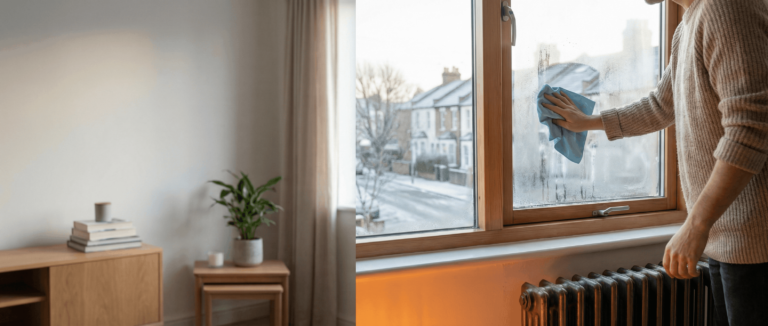
To reduce the risk, it is important to ventilate your home regularly, even when it is cold outside. Opening windows for short periods, using extractor fans in kitchens and bathrooms, and wiping away condensation on windows can all make a noticeable difference. Keeping furniture slightly away from external walls also allows air to circulate more freely and helps prevent cold spots where mould can form.
Keeping Your Home Warm and Energy Efficient
Maintaining a steady level of heating during winter is important not just for comfort, but also for protecting the property. Consistent low-level heating is often more effective than turning the system on and off, as it helps keep walls and pipework at a stable temperature.
If you notice any issues with your heating system, such as radiators not warming properly or the boiler behaving unexpectedly, these should be reported as soon as possible. It is also worth avoiding drying clothes directly on radiators, as this releases excess moisture into the air and increases the likelihood of condensation.
Reducing the Risk of Frozen Pipes
Cold weather can put extra strain on plumbing, particularly during freezing conditions. Pipes that freeze can crack or burst, leading to significant water damage if not addressed quickly.
Knowing where your stopcock is located and how to turn it off can be invaluable in an emergency. Keeping internal doors open can help warm air circulate around pipework, especially in colder areas such as hallways or cupboards. Any unusual sounds, visible leaks or signs of frost damage should be reported straight away.
Looking After External Areas
Winter storms and heavy rainfall can highlight issues with gutters, downpipes and other external features of a property. Blocked or damaged drainage can lead to water overflow and damp problems inside the home.
If you notice leaking gutters, loose fittings or damage following bad weather, it is best to raise this early so repairs can be arranged before the problem worsens. External taps should also be monitored, as they are particularly vulnerable during freezing temperatures.
Everyday Habits That Make a Difference
Small, simple actions can have a big impact during winter. Keeping ventilation points clear, avoiding turning the heating off completely in very cold weather and reporting even minor concerns promptly can all help prevent more serious issues later on.
Being proactive not only protects the property but also helps maintain a positive relationship with your landlord or letting agent.
A Final Word
Winter does not need to be a difficult time for tenants. With sensible heating, good ventilation and early communication, most seasonal problems can be avoided altogether. Staying on top of these basics will help ensure your home remains warm, healthy and well maintained throughout the colder months.